
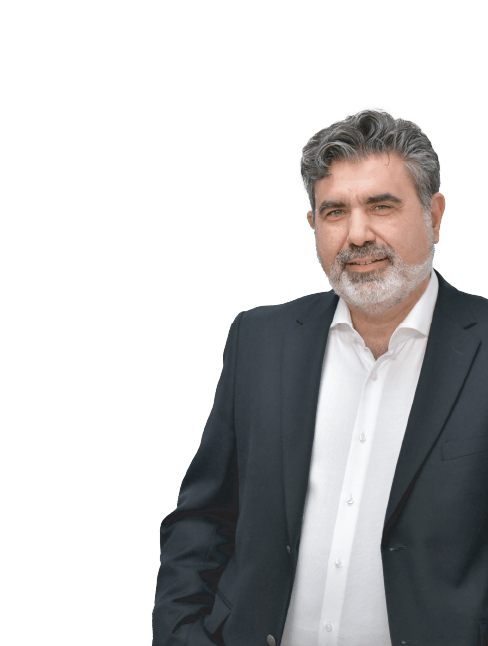
Kon/nos Stratis
CEO of Constrat
The new system
Argus panoptes
In an interview with Water-Waste, Constrat's CEO, Mr. Konstantinos Stratis, discusses the advantages and benefits that the Argus panoptes digital platform offers its users. He also stresses that it is the duty of all of us to leave the next generation a sustainable reality.
In the interview he states the following:
- What is Argus panoptes system?
The Argus Coordination Center for Remote Infrastructure Management and the Panoptes National Digital Platform for Supervisory Control Data Aggregation together make up the intelligent operations center created by Constrat.
The Panoptes digital platform that is the fire of the innovation of the Argus Coordination Center, ensures:
Continuous monitoring and recording of the vital operating parameters of water supply & irrigation systems.
Carrying out operations to check the active elements of the water supply networks of cities, settlements, domestic or commercial supplies, pumping stations, tanks, etc.
Responding immediately to problems encountered in the water production, treatment and distribution facilities of any municipality, water utility, public utility, local authority or other organisation.
The collection and storage of relevant data.
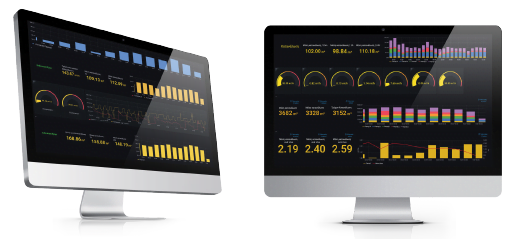
Based on all of the above, Argus Panoptes can be described as the key solution in the overall management of water resources, since it provides immediate information through remote monitoring and ensures the functionality and productivity of infrastructure systems, with emphasis on the water supply and irrigation sector.
- What needs led to its creation?
Today, with demand in the water and irrigation sectors increasing, while water resources are diminishing and non-revenue water tends to be 50% of the water produced, water management requires a holistic approach and innovation.
Having worked closely and over a long time period with the public sector involved in the management of water resources, we have found that there are significant problems such as the lack of permanent staff to provide 24-hour supervision of monitoring and control systems. As a consequence of this condition, problems are not reported and are not solved in time, resulting in the loss of large quantities of water.
In addition, all actions for the maintenance of critical infrastructure are not preventive but repressive, following a catastrophic failure, such as the one in Thessaly that has shaken the country.
Another need that arose that had to be resolved was the excessive energy consumption that resulted in high electricity bills.
These were the reasons for the creation of Argus Panoptes, as we firmly believe that the efficient use and management of water requires cooperation between public authorities and companies providing intelligent systems technologies, so that together we can ensure a sustainable future.
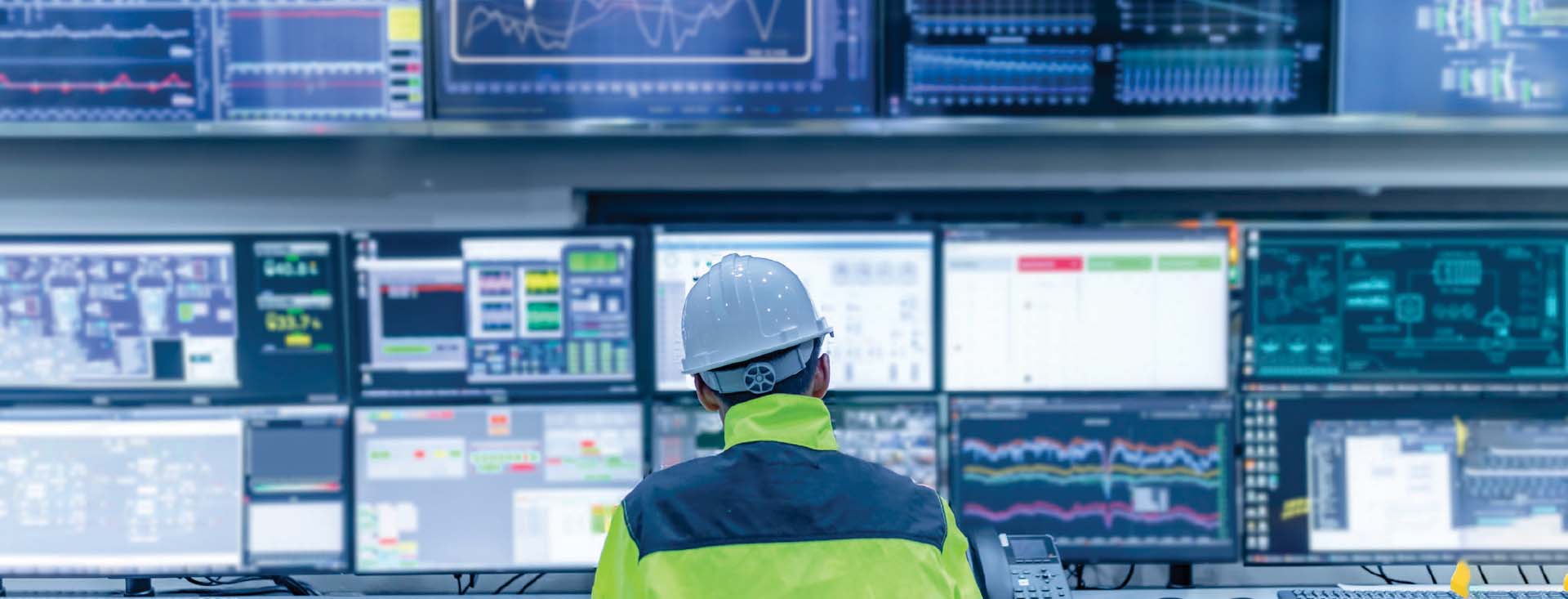
"Constrat's Argus panoptes system is the modern ever-watchful guardian, a valuable tool for all Local Government bodies (Regions, Municipalities and DEYA)."
- What are the advantages of using it?
The benefits that can accrue to organisations from the proper use of IoT technologies are absolutely measurable in quantitative terms, but I believe that at this stage I must refer to the qualitative characteristics that such an innovation can bring to the everyday life of people involved in the management of the most precious commodity, water!
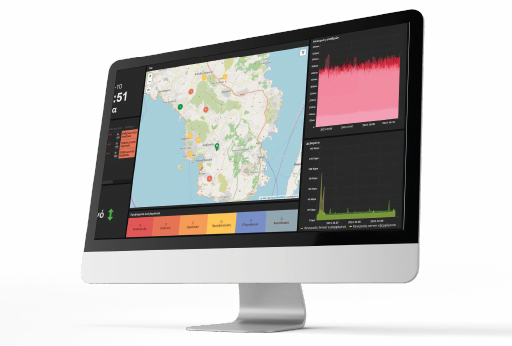
The new Argus Panoptes Remote Management Center can ensure high productivity of the water supply or irrigation service by identifying in real time where the loss of water comes from. This minimises complaints from citizens and ensures the reliability of the service.
This is achieved in a specially designed facility that meets all modern security standards, where CONSTRAT's specialized engineers collect, store and process digital data around the clock from local units connected to control instruments or directly via sensors.
This provides a holistic view of the data collected in the Data Centers and continuous monitoring of drinking water reserves and quality. Through remote monitoring, we detect risk early and send notifications for preventive maintenance or in case of failure.
Last but not least, the consumer, whether he is a domestic user or a professional farmer, sees a difference in his bill, as the smooth operation of pumping stations and boreholes results in savings in energy consumption.
- How do you plan to inform the market about the usefulness of the new product?
Informing and educating market executives, not only about Argus Panoptes but about all new technologies, has been and remains our priority. Our employers are the people who come into daily contact with the services of the municipalities and the public utilities. They are the ones who give the first information about whatever innovative things are produced in our R&D department.
The Group's marketing department has already drawn up a plan of promotional activities that includes our presence at sectoral exhibitions and conferences, such as the 33rd Annual General Assembly of the E.D.E.Y.A. to be held in Chania, which will mark for us the kick-off for the official presentation of the product in the market.
We are planning presentations throughout Greece and abroad, in order to disseminate the information about our innovative solution and to raise awareness among all those responsible that water management is no longer a luxury but an absolute necessity.
- Are there other activities that could in the future be included in the Argus Panoptes platform?
The Argus Panoptes Remote Management Centre can be a holistic solution for the management of smart cities. Any municipality that has already installed smart systems that transmit information can join our platform.
Through the innovative nature of this platform, a municipality can entrust us with the monitoring of all its smart infrastructures. Some examples are the management of waste collection vehicles, smart parking, telematics services for buses, energy metering of the energy consumed by each municipality and even the monitoring of biological treatment plants.
In conclusion, I would like to emphasise that our society and the global community have been facing a profound energy and environmental crisis in recent years. It is the duty of all of us, wherever we are, to make every effort to leave a sustainable reality for the next generation.